

According to a 2023 report by the Entertainment Software Association, around 65 percent of adults play video games regularly. That number surprises many business owners who still see gaming as a niche hobby. In reality, gaming platforms have quietly become masters of engagement, retention, and customer loyalty. Entrepreneurs who look closely can borrow several of those tactics and apply them to everyday business.
One interesting example comes from the ecosystem surrounding PentaSl0t, which illustrates how digital platforms build loyalty through layered rewards and behavioral insights. Observing how these systems work reveals something familiar to marketers. Gaming platforms do not rely on luck alone. They rely on psychology, smart design, and data driven decision making. According to research from Harvard Business School, improving customer retention by just 5 percent can increase profits by 25 to 95 percent. Gaming platforms seem to understand this instinctively.
Retention Is the Real Game
Most new entrepreneurs obsess over acquisition. Ads, social media campaigns, influencer deals, the whole circus. Yet experienced founders often say the real money comes from returning customers. Gaming platforms thrive on this principle.
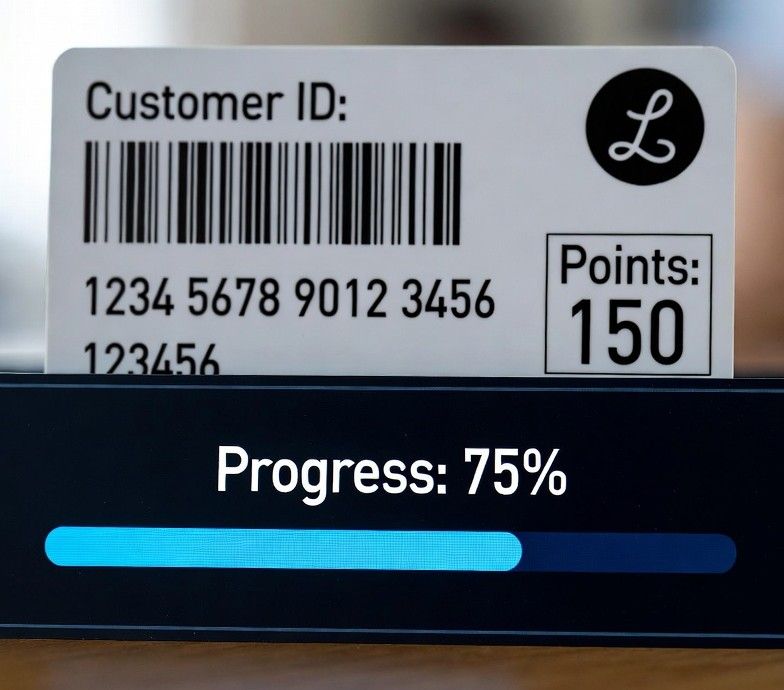
Think about how a player logs in each day. They receive small bonuses, streak rewards, or progress markers that feel satisfying. It is simple psychology. People enjoy seeing progress. A coffee shop loyalty card works the same way. Buy nine drinks, the tenth is free. Suddenly customers feel invested in finishing the card.
Many gaming systems build daily rituals. A quick login becomes a habit. Businesses can do something similar. A small daily discount, an email tip series, or a members only perk keeps customers coming back. Retention is rarely about big gestures. It is about consistent nudges.
The Power of Reward Structures
Reward systems might be the most obvious lesson entrepreneurs can borrow. In gaming, players unlock levels, collect bonuses, or earn points that trigger new features. These structures tap into the human love for milestones.
I once spoke with a small bakery owner who accidentally stumbled onto this idea. She created a simple digital stamp card for regulars. Ten visits meant a free pastry. Within months, customers joked about “leveling up” their coffee routine. It sounds silly, but the system worked. Her repeat traffic increased noticeably.
The same principle appears inside the PentaSl0t ecosystem, where progression and reward loops encourage players to stay engaged. Similar mechanics are discussed in analyses of inside the business model of high-risk gambling apps, where bonuses, referrals, and quick deposit systems are designed to keep users active and returning to the platform. These incentives are carefully structured to guide behavior and increase engagement over time.
Businesses can apply this idea in countless ways. Subscription tiers, loyalty points, milestone rewards, and referral bonuses all tap into the same mechanism. Customers feel recognized. They see their progress. Suddenly the relationship becomes more than a simple transaction.
Data Is the Hidden Advantage
Behind every gaming platform sits a mountain of data. Player behavior, session time, reward responses, and engagement patterns all tell a story. That information helps platforms fine tune experiences in real time.
Traditional businesses often ignore this advantage. They collect emails, sales numbers, and website analytics, then rarely dig deeper. Yet even small insights can change strategy. Which products bring customers back? Which promotions spark repeat purchases? Which messages drive engagement?
Organizations like McKinsey & Company have repeatedly emphasized that data driven companies outperform competitors in customer acquisition and retention. Gaming platforms demonstrate this daily. They test features, adjust rewards, and analyze behavior constantly.
Entrepreneurs do not need massive budgets to adopt this mindset. Simple tools like CRM dashboards, email analytics, and customer surveys can reveal valuable patterns. Think of it as running mini experiments with your audience.
Experience Beats Advertising
Here is an opinion that may irritate some marketers. Advertising alone rarely builds loyalty. Experience does. Gaming platforms thrive because users enjoy the experience itself. The interface is smooth. Rewards feel satisfying. Progress is visible.
Businesses sometimes forget this. They pour money into ads but neglect the product journey. Long checkout pages, confusing pricing, slow websites, and unresponsive service push customers away. Meanwhile, gaming platforms obsess over friction points.
Entrepreneurs who study these ecosystems notice something clear. The experience is designed for flow. One action leads naturally to another. The user feels guided, entertained, and rewarded.
Any business can apply this mindset. Simplify processes. Remove obstacles. Celebrate small customer milestones. Even sending a friendly message after a purchase can create a memorable moment.
Conclusion
Gaming platforms might seem unrelated to traditional business, yet their strategies reveal powerful lessons about human behavior. Loyalty grows through consistent engagement, meaningful rewards, and careful use of data. These systems build habits, not just transactions.
Entrepreneurs who pay attention to ecosystems like PentaSl0t may discover something valuable. Growth rarely comes from one big campaign. It grows from thousands of small interactions that make customers feel involved, recognized, and eager to return. And honestly, that is the real jackpot in any business.